

featured
My History
Casey talks about the layered and complex history of Grenada.
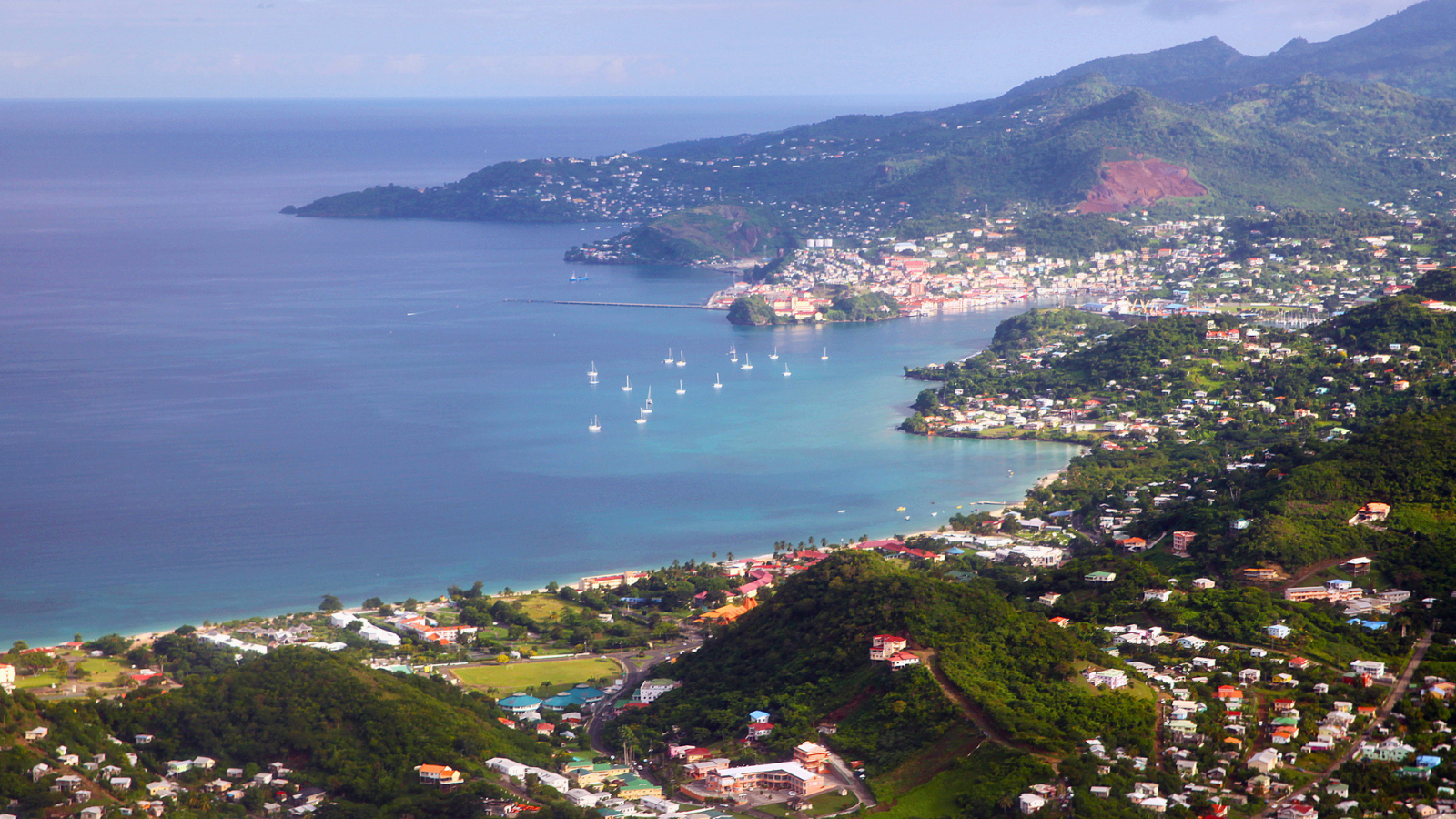
When someone said to me, “You’re from the Caribbean—you didn’t endure slavery. Your people didn’t endure slavery,” I paused.
Not because I didn’t have an answer, but because I realized how often entire histories are erased with a single sentence.
I’m from Grenada—more specifically, the tri-island state of Grenada, which includes Carriacou and Petit Martinique. Our story, like much of the Caribbean, is layered, complex, and deeply tied to colonialism and resistance.
In 1649, French settlers arrived at St. George’s Harbour and established one of the earliest European settlements on the island. They built plantations and forts, laying the groundwork for an economy that would soon depend on enslaved African labor. By 1762, the British had taken control of Grenada, expanding plantation systems for crops like sugar cane, cotton, and tobacco. Enslaved Africans—many taken from regions that are now part of Nigeria, including Igbo and Yoruba communities—were forcibly brought to the island. That is how slavery became part of Grenada’s history.
So yes—Grenada did experience slavery. That truth lives in our land, in the names of our villages, in the architecture of St. George’s and Grenville, and in the cultural practices passed down through generations.
But here’s what’s equally important: that is not the only story we carry.
Grenadians today don’t define themselves solely by that period of suffering. We remember—but we also live. We celebrate. We build families and communities rooted in resilience and joy. Life on the island moves at a different pace than North America—slower, yes—but full of vibrancy and connection.
You see it in Grenada Carnival, especially during J’ouvert, when people take to the streets before sunrise, covered in paint, oil, and powder, reclaiming space and expression. You feel it in traditions like Saraca, where food is prepared and shared in remembrance of ancestors. It lives in Easter celebrations, village festivals, Rainbow City events, and competitions like Soca Monarch and King and Queen shows.
Grenada has known colonization, slavery, and revolution. But we are not a people frozen in that past. We are descendants of survival, yes—but also of culture, pride, and continuity.
So, when someone tells me that my people didn’t endure slavery, I don’t just correct them. I expand the conversation.
Because our history is not just about what was done to us—it’s about what we have carried forward, transformed, and made our own.
Cover Image By Drkreative – Own work, CC BY 3.0, https://commons.wikimedia.org/w/index.php?curid=12421886